





Imagine a short story complete with its own front cover and back page blurb. Nightjar Press make this happen, publishing limited edition chapbooks each containing an individual story signed by the author.

When a young couple move into a new flat, the excitement and trepidation of property investment is soon overshadowed by an uninvited guest. This is the premise of TOWER BLOCK GHOST STORY by TSJ Harling.
‘When I glanced outside the window there was no one there.’
The reader is invited in to share the flat with Sade, her boyfriend and their resident ghost. A clanging commences at the same time each day, its source a mystery asking to be solved. Familiar rituals become tinged with dread as the spiritual and the mundane collide.
A foggy sense of unreality pervades as an exhausted Sade finds even the effort of descending the stairs to peer out of the window overwhelming. But when her attention is drawn beyond the daily clatter of city living, the discovery of a child’s diary prompts her tentative return to the world.
Tower Block Ghost Story is a refreshing take on the traditional haunted house theme, celebrating the resilience of the human spirit as Sade accepts a reminder from the dead that life is for living.
‘Then I saw the balloon, floating away across the river to the sky.’
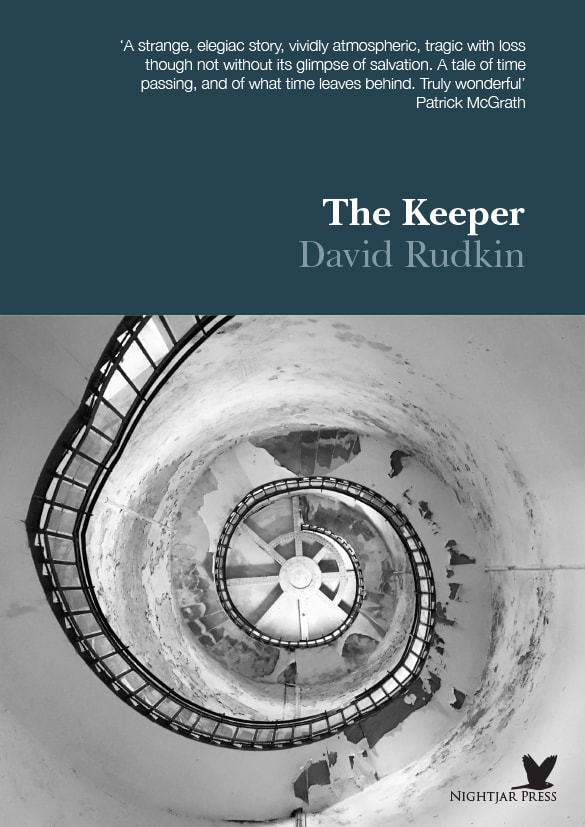
A haunting of a different kind is depicted in THE KEEPER by David Rudkin. The dazed protagonist wanders spiralling corridors in a state of dreamlike unreality, his mind a blank canvass. The reader is equally disorientated, held captive in the suffocating isolation.
‘With night and the storm come the rage and weeping.’
Slowly, a picture forms, as imprints of memories emerge on the page. We’re in a former lighthouse, its history almost erased. Even the sea view is obscured by painted-over windows. Yet its old sense of purpose clings to the present, like the ceiling wheel still visible above the grand chandelier.
This is a tale of fragility and decay. The keeper exists on the edge of reality, cast adrift in a fog of regret and struggling to avoid becoming lost at sea. But there is hope beyond the mournful sense of time moving on. Progress may attempt to gloss over the past but memories linger.
‘I have been a darkness.’

On the night before Halloween, a woman catches a taxi home as fireworks light up the night sky. Thus opens COCKY WATCHMAN by Ailsa Cox. It’s Mischief Night when ancient traditions are brought back to life, harmless pranks like throwing flour and eggs replaced with hurling bricks at trains.
‘I’d see him in the window, striking a match, a hideous grin on his face.’
The woman is surrounded by the ghosts of previous generations in her gentrified former working class home that was built to last. One of them was a Cocky Watchman, whose job it was to guard the parks. Now developers have taken over the land, replacing green spaces with empty flats. What remains is left to the elements, but some traditions won’t rest easy.
‘You do what you have to do. You don’t give it a second thought.’

THE ELEVATOR by Imogen Reid is an immersive literary experience. The reader becomes the protagonist, trapped in a moving lift as the footsteps of a shadowy figure pound the stairs in pursuit.
‘You retreat into the far corner of the confined space, extending the distance between you and your assailant.’
Through the elevator door, we catch a glimpse of a gloved hand on the handrail. A bag is dropped, its contents spilling on the floor ‘like erstwhile props on a movie set.’ A silver cigarette case, a pair of scissors and a single silk stocking. Clutching at these clues to our identity, we become a private detective in our damp trench coat, uncovering secrets that perhaps ought to remain buried.
‘A fear-fuelled adrenaline rush robs you of regular breath.’
These four tiny tales are as thought-provoking as they are unsettling; pint-sized melancholy masterpieces whose short, sharp shocks promise to shake up our reading habits as the dark winter months close in.
This month I’ve been attending the fantastic London Screenwriters’ Festival 2021. I’ve learnt so many helpful tips and here are some of the highlights.
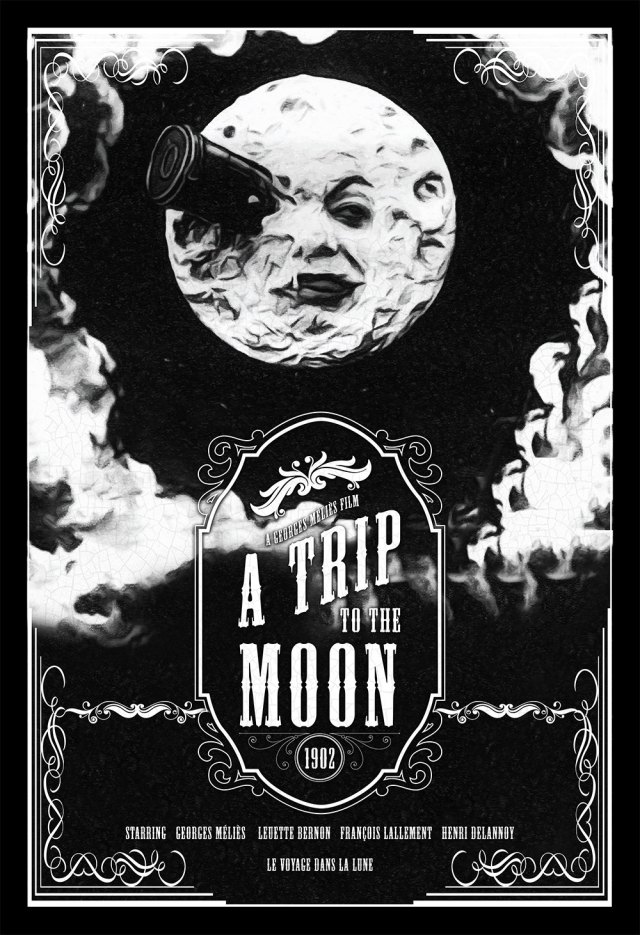
The first ever screenplay was a one-pager for the 1902 film A Trip to the Moon. Image: WeLoveCMYK
Tip 1: Don’t worry too much about breaking the rules
A common theme across the festival was that a story’s potential can only be developed by getting it down on the page. Focus on the limitless opportunities a story represents without feeling too restricted by the ‘rules’ of screenwriting. Screenplay style and format has been in a constant state of evolution since cinema began and nothing is set in stone.
‘Blow their mind in the first paragraph!’ PEN DENSHAM
Write a story that will be a page-turner for the script reader. Don’t give them time to predict what’s going to happen. Write the first draft, celebrate your achievement, critique it, then edit it down to make it a tighter read.
Scott Myers explained how to turn the following three rules on their head:
i) You can’t use ‘we see.’
This rule came about when film directors gained more control and no longer required directions in the script. However, screenplays should be an enjoyable read! You can still provide a vivid description of what’s in the scene.
ii) Action paragraphs cannot be longer than three lines.
Keeping things to a minimum makes a script easier to read so it’s right to make paragraphs short. But instead of using one three-line paragraph to set the whole scene, try writing a short paragraph for each camera shot.
iii) You cannot include ‘unfilmables.’
According to this rule, you should only write what the viewer can see or hear (action, location and dialogue). However, conveying personality or a character’s state of mind in a scene description can make it more entertaining for the script reader. So go for it!
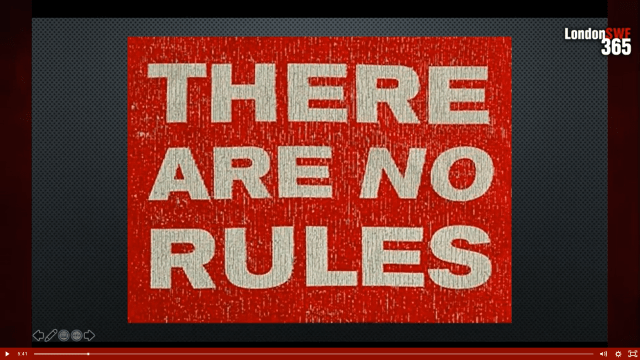
Image from Scott Myers’ presentation ‘Did you break the rules? There are no rules.’
Tip 2: Build a network
Befriend everyone. Learn who the script buyer is. People in the story department at agencies and film studios know what scripts are popular. Cinematographers know everyone, as do the personal assistants, who are also the gatekeepers! Reach out and talk to them in an honest way. And don’t just talk about your script – that’s what everyone else will be doing!
Gary Goldstein, writer of Pretty Woman, advised that social media is a useful networking tool but should be used with intentionality. Commenting on posts (rather than just liking them) is a good way to stand out, but don’t follow this up by sliding into their DMs. Be brave – go old school. Pick up the phone or send them a letter!
Identify trusted readers closer to home. It can be awkward asking friends to review your first draft and they may not give real criticism to avoid hurting your feelings. But it’s good to have a select few people who you know are able to critique your work honestly as an initial sounding board.
Ask your friends to act out your script! Hearing your words spoken aloud can really help to tweak your screenplay. Get the drinks in and enjoy yourselves!
‘Don’t hide yourself as an artist… Take pride in your value and learn how to articulate it.’ GARY GOLDSTEIN
Tip 3: Demonstrate pride in your gifts and passion in your project
Writing success often comes down to the writer, not just the writing. The script and the writer are a package deal! Remember who you are – how extraordinary, unique and special. Invest that in your stories and carry it through your day.
Imposter syndrome can be a challenge for unpublished writers or those who have yet to have a script produced. Be kind to yourself! Block out negative thoughts and don’t allow doubt to creep in.
Have a clear understanding of your ambitions and enthusiasm for the subject. Identify where it might sit. The ability to speak about your screenplay is a key skill and can be quite intimidating. It’s far easier for writers to describe a project on the page but learn to demonstrate your passion verbally.
‘Remove ‘fledgling writer’ from your mind. Call yourself a goddamn writer and do it!’ PEN DENSHAM

Saturday Night at the Movies with Robin Hood: Prince of Thieves writer Pen Densham, festival founder/director Chris Jones and producer/instructor Bob Schultz
Tip 4: Build chemistry slowly
In her talk on using romance to deepen the drama, Jenna Moreci advised that the couple should be ‘equal but different.’ Don’t make them too similar. They should have equal strengths and desirable traits. It must be clear why they would like each other. This also works for building platonic friendships between characters to create a close, believable connection. Make them vulnerable with each other early on, revealing something that could get them hurt but without judgment by the other character. And remember – there’s nothing sexier than when someone wants you back! It’s not romantic for a hero to persist and persist until their love interest eventually relents. Make your viewers swoon rather than feel uncomfortable.
Tip 5: Specificity is everything! You cannot write generally
Be culturally specific and write with humanity to create a universal message. If you write about a particular place in the world well, you’re writing about everywhere. Viewers at the cinema or watching TV across the globe should be able to feel the story. Dialogue should be authentic. Know how your characters speak! Hear them in your head. Your characters are living beings!
Willy Russell, writer of Educating Rita and Shirley Valentine, emphasized that he wrote Educating Rita to entertain EVERYONE – not just the educated Franks in the audience. This is not anti-intellectual but is driven by a desire to be inclusive. The audience pays to watch your film so ‘wrap big theatrical arms around them and bring them willingly on a journey with you!’
‘Vernacular and idiom should be relished for its own innate poetry.’ WILLY RUSSELL
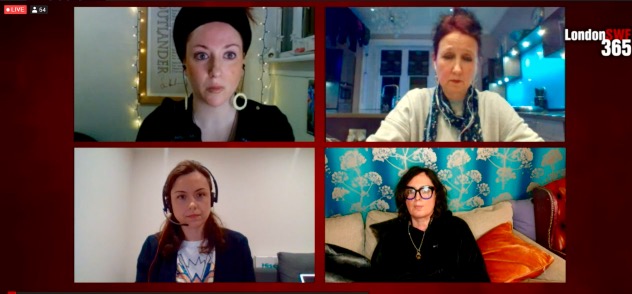
Moderator Maureen Hascoet, Outlander Exec Sara Harkins, Reporter Joanna Tilley and The Guilty Feminist Deborah Frances-White discuss writing for the female gaze
The overriding message of the festival is that times are changing in the film industry. The pandemic has accelerated the move towards streaming, and this strange new landscape presents opportunities and challenges. Screenplays don’t have to imitate existing trends in either content or approach. The white, straight man is predominantly presented in films as being the everyman but it’s time for unrepresented voices to break through.
Fun fact: Over 50% of Hollywood screenwriters in the first two decades of the twentieth century were women. There is power in being represented on screen.
We don’t have to ‘break in’ to the industry. We can become the industry.’ CLIVE FRAYNE
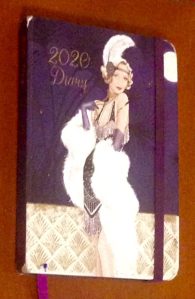 During the first lockdown, I decided to write a pandemic journal. I told myself to hope for a return to normality by June, or at the very worst by September 2020. And so, somewhat optimistically, I chose the world’s tiniest journal to write in. It turns out I’m no Samuel Pepys and my approach to journaling has been sporadic at best, so there are still a fair few blank pages available.
  As the pandemic continued, I started to jot down good things that happened on post-it notes and collected them in a vase. I read them all back on New Year’s Eve which has been a very helpful exercise in gratitude.
  2021 is already feeling far more hopeful. My Mom’s having her first Covid vaccine later this month. She has early-onset dementia and paralysis and I haven’t been able to visit her in almost a year. She lives in Ireland in a super safe little country town and the idea of catching a plane from London and inadvertently carrying the virus there is unthinkable. Once I get the jab as well and travel restrictions are lifted, I can’t wait to finally be able to see her again.
  Happy New Year!
 This month, my script was selected for performance in an ensemble show at the Sydenham Centre in Southeast London. The show featured nine short plays based on the theme of love and heartbreak.
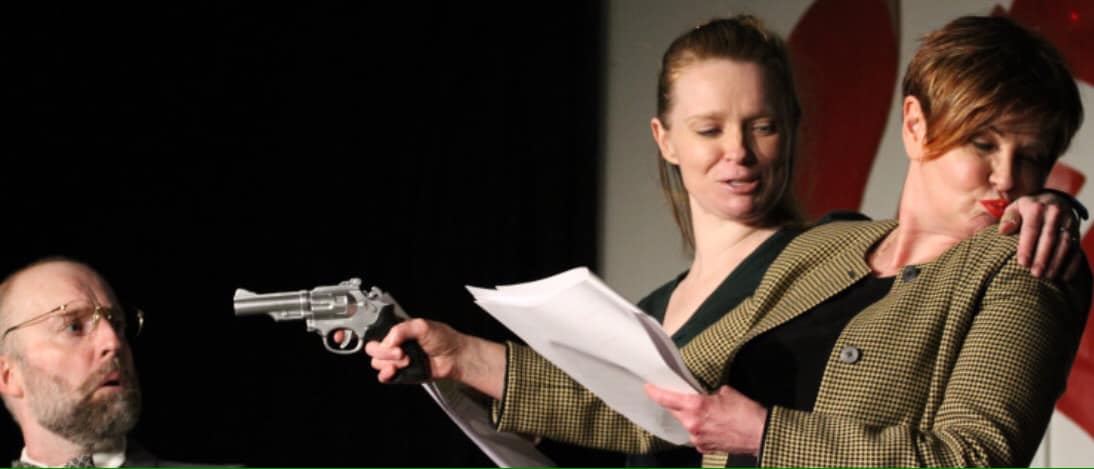
Image by @SydenhamPhotos

Scriptwriting is a whole new medium for me. I joined an evening course in September covering everything from radio and theatre scripts to TV and film screenplays. I’m used to writing descriptive prose so I’ve had to reign in the scene setting and focus more on dialogue and dramatic pauses. Less is more!

Image by @SydenhamPhotos
 It was a fabulous show and there was an audience ballot at the end to choose the best play. Ida Tidy’s brilliant Aviatrix was the worthy winner and I was thrilled to find myself in third place with a quarter of the audience vote. Hurrah!
Last time I was in Birmingham I visited the lovely Pen Museum. That’s right, there’s a whole museum dedicated to the humble pen. And it’s AMAZING.

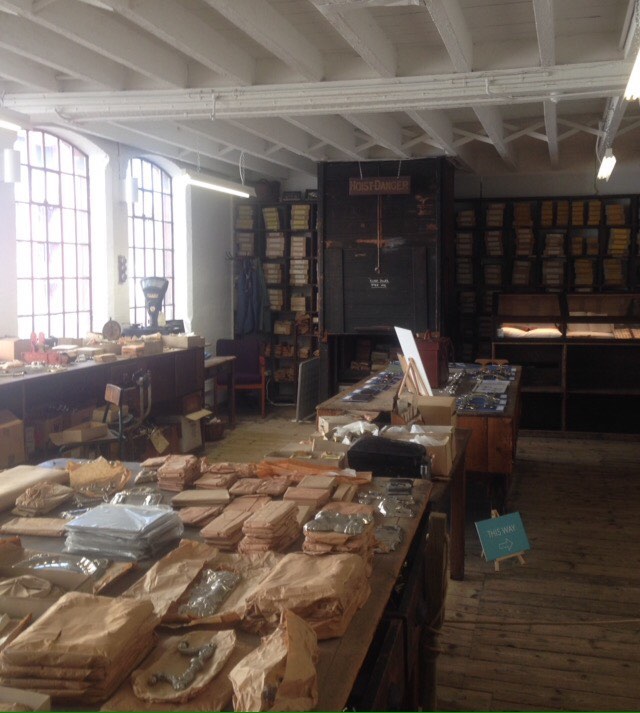
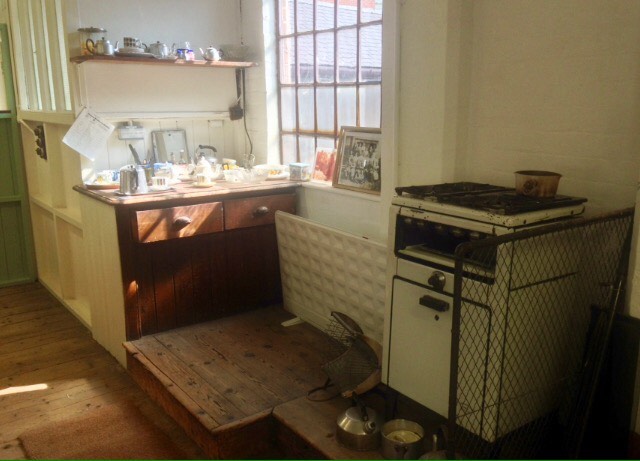
The museum is on Frederick Street in Birmingham’s Jewellery Quarter, just around the corner from my old flat. Based within the ornate former Brandauer’s Pen Factory established in 1863, the museum’s dusty interior is a time capsule evoking Birmingham’s glorious past at the epicentre of the pen trade.
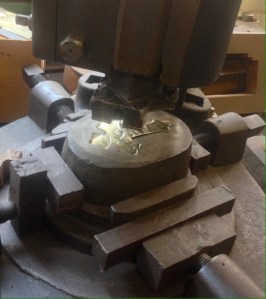
 I found the museum’s invitation to ‘immerse yourself in pens’ oddly irresistible. Brilliant volunteer Subhu demonstrated how to produce templates using historic machinery and even gave me my own nibs to take away.

Fun facts abounded as I was offered an insight into the history of this most essential piece of stationery. The fountain pen was first patented in the 1880s and famed Birmingham philanthropist and chocolate manufacturer George Cadbury owned one with a 14-carat gold nib.
At the peak of production, over 75% of everything written in the world was written by a pen made in Birmingham. The city was a powerhouse of industry in the nineteenth century and technological developments led by Brummie industrialists enabled the production of cheaper pens, contributing to a significant increase in literacy across the world.

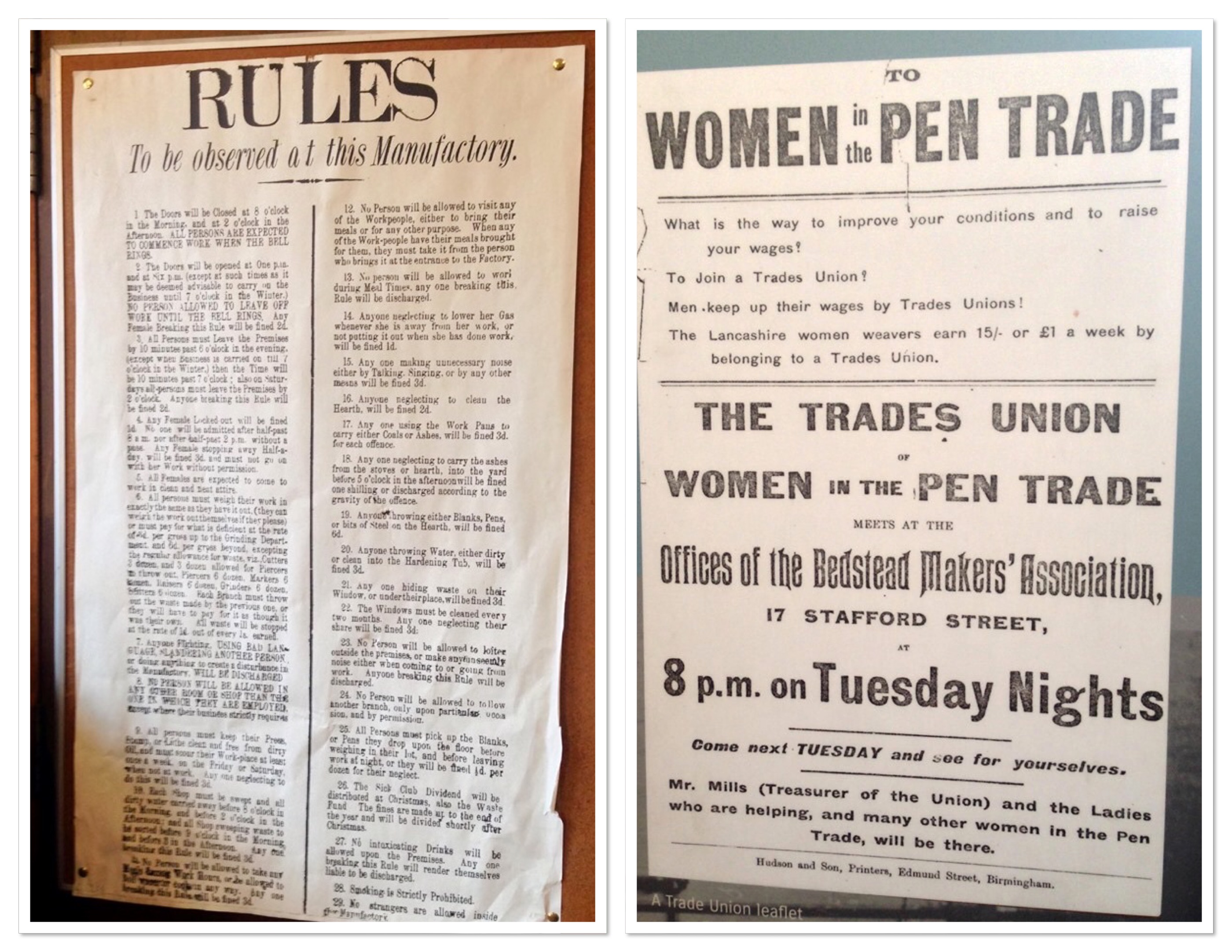
Women made up the vast majority of the pen production workforce. Not only were they cheaper to hire but they were also considered more patient than men and their daintier hands were better suited to the fiddly work. They earned 50p a week for nine-and-a-half-hour days, producing a daily minimum of around 14,000 nibs.
It was highly skilled work requiring specialist training but conditions were hard and sometimes perilous. Workers risked cuts, burns, losing a fingertip or getting a chest infection from the dust in the air.
Thankfully women’s trade groups soon began to form, fighting for better pay and working conditions, including the Pen Workers Union.
I do love a good quality pen. One of my favourite Christmas presents as a schoolgirl was a burgundy Parker fountain pen with my name engraved on it. It came in a velvet box and sadly disappeared years ago but I’ll always remember the distinct pleasure of popping a new ink cartridge.
If anyone ever needs a gift idea for me, then I would love to own a Parker pen once again. Hint, hint!
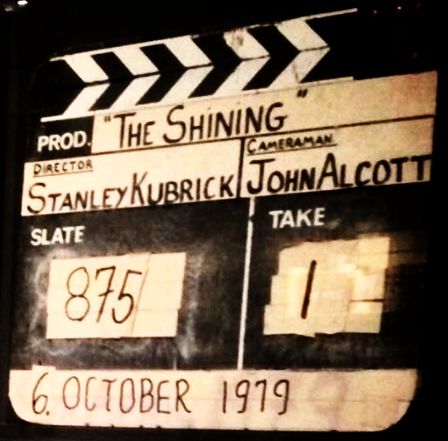
I recently visited the brilliant Stanley Kubrick exhibition at London’s Design Museum.

On the twentieth anniversary of the acclaimed director’s death, the exhibition explored his ground-breaking achievements in film. From sci-fi to war and arthouse movies, Kubrick’s creative gift spanned across genres.
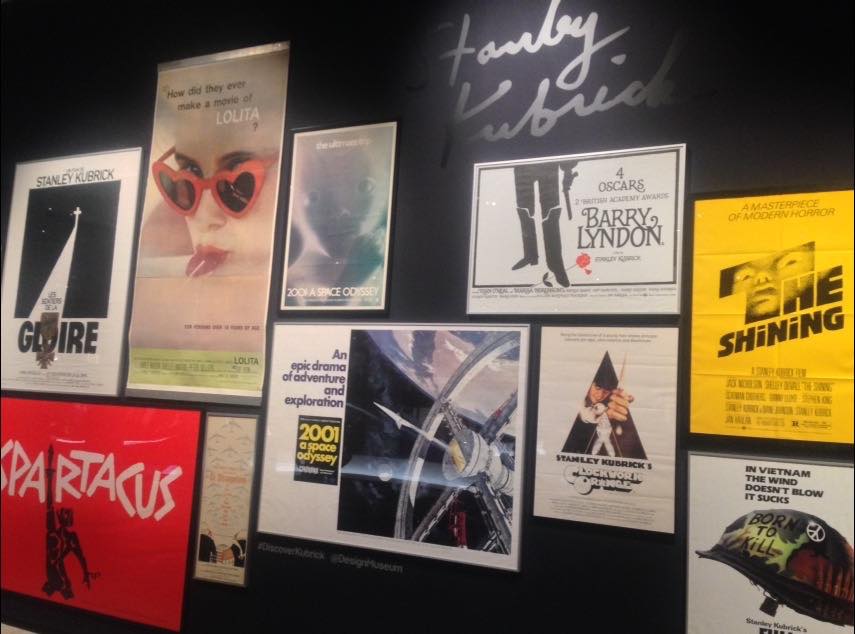
But while I do love a Roman epic (who knew he directed Spartacus!), as a horror fan, the props that interested me most were those from The Shining.
A long time ago, whilst travelling around Central America, I bought a battered old copy of the book by Stephen King from a dusty little second-hand shop in Merida, Mexico. The story freaked me out so much, I was too scared to keep it under my mosquito net at night!
Unluckily, near the end I discovered that the final few pages were missing and so I never got round to finishing it, but I bought a new copy from the Design Museum’s gift shop and finally read it to the end.
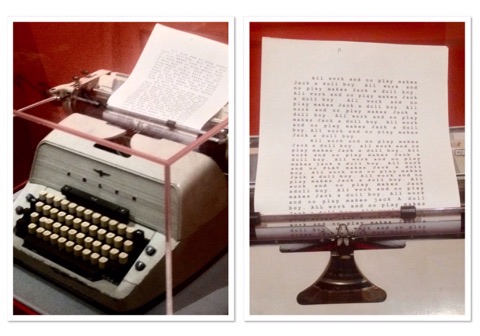
Those familiar with the film version will know the basic premise of the book. A young family moves into a secluded hotel for the winter. Recovering alcoholic Jack Torrance is an aspiring writer who takes on the job of caretaker, hoping that being cut off from the outside world will help him focus on his play. His wife, Wendy, sees it as an opportunity for family bonding. Their little boy, Danny, knows things he shouldn’t due to his psychic abilities (what the title’s ‘shining’ refers to).

The closest town is forty miles away across roads closed between November and April. Phone lines tend to go down under heavy snow and only a two-way radio and a snowmobile maintain any semblance of connection with the outside world.
Living in a remote location with a well-stocked kitchen, a roaring log fire and a comfortable suite of rooms is my idea of heaven, but the reader soon discovers that sinister things lurk in the shadows.
The elevator has a tendency to clank into action in the middle of the night, transporting debauched revellers from the 1940s to their New Year’s Eve masked ball as the sound of popping champagne corks echoes through the corridors. A former caretaker killed his daughters with a hatchet before shooting his wife and himself, but he’s just the tip of the iceberg of the Overlook Hotel’s murky past. Murder, suicide, illicit affairs. It all happened here.

This book is so much more than a haunted house story. The tension builds slowly, allowing the reader to get to know the family. Believe it or not, it’s easy to like them all thanks to the writer’s ability to draw sympathetic characters. While Danny can read people’s minds, King lets the reader under their skin, the close third person narrative drawing us effortlessly into their thoughts.
Jack is no traditional monster and I found myself willing him to succeed as he attempts to close the door on past mistakes. A deep thinker with anger management issues, he battles self-sabotage and insecurity. The devastating effects of alcoholism are brought painfully to life as he craves the ‘tasty waters of oblivion,’ tormented by the desire to numb his pain with drink even though many of his problems stem from it. King himself faced alcohol issues in the past and vividly captures that struggle.

 Jack’s good intentions to spend quality time with his family soon start to crumble as the hotel’s creeping influence grows. While actress Shelley Duvall comes across as rather weak and fragile in the film, book Wendy is far stronger at handling the situation, although she does have a tendency to just go to bed when things get really bad. Understandable! But while Jack’s mood gets increasingly darker, the real threat is of their souls becoming trapped in the hotel forever and ever…

It’s not all doom and gloom though. King’s dark sense of humour sometimes makes you laugh out loud and there are some unexpectedly ludicrous moments along the way. Like when Chef Dick Hallorann, the real hero of the story who shares Danny’s shining gift and comes to his rescue, accidentally sets his own arm on fire whilst battling a haunted hedge animal.


Stanley Kubrick took quite a different approach. At the heart of his film version is a murderous psychopath in the wrong surroundings, rather than a relatively nice guy manipulated by evil forces. It’s an adaptation, not a translation, so rather than merely copying the book, Kubrick shapes the story. The result is a rare example of a book and a film feeling like genuinely separate works of art. That said, they’re equally terrifying.
Stephen King immensely disliked the film which is understandable because the subtlety of his story is somewhat lost. Jack’s madness descends very quickly and the hotel’s insidious grip is watered down. There is less focus on character, and Jack is only likeable at all thanks to Jack Nicholson’s charismatic performance.
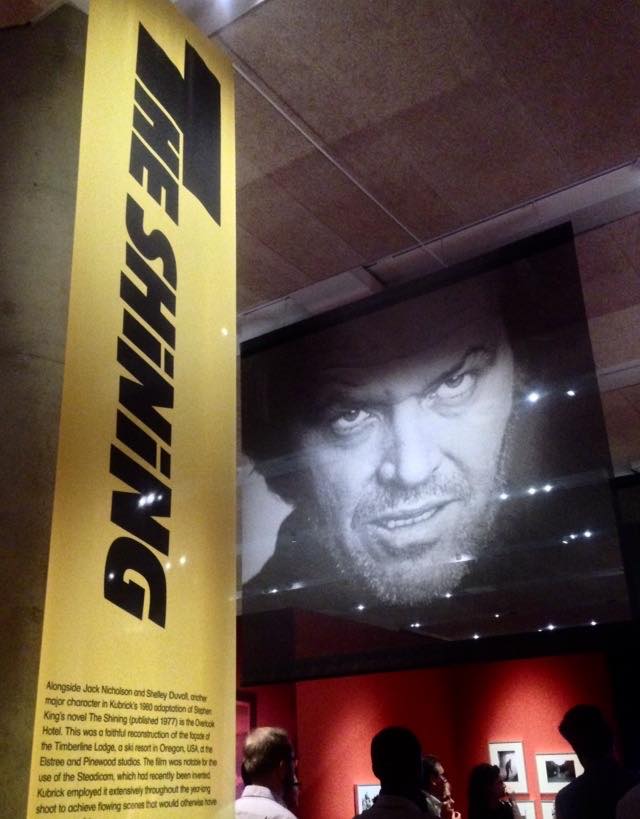
The Shining film is visually stunning and the innovative hand-held camera work creates an unnerving sense of being crept up on. Kubrick didn’t resort to extreme gore or violence but created a visual feast that feels like a classic in its own right.
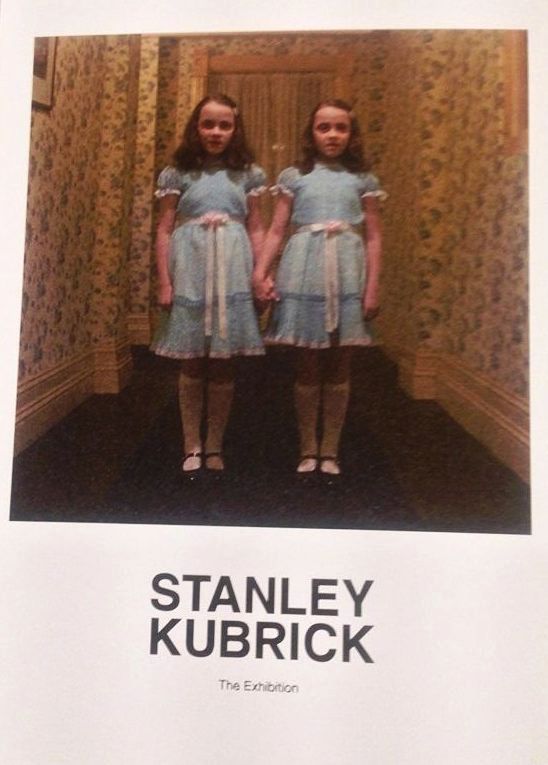
So, in the month of October, if you’re feeling curious, then why not read the book and then watch the film on Halloween? Go ahead. If you dare…
‘You’re the caretaker, sir… You’ve always been the caretaker.’
When I moved in to Rome’s Cinecittà quarter, I was thrilled to discover the Cinecittà Film Studios just down the road from my flat.

Film Set of New York at Cinecittà Studios
I’m a total film geek and Cinema Paradiso was actually what inspired me to go to Italy for the first time when I was eighteen. So one of the loveliest aspects of life in Rome for me was that the passion for cinema was so prevalent in daily life.
Cinecittà is the biggest and one of the longest-running film studios in Europe. Many famous productions have been made there including Martin Scorsese’s Gangs of New York and TV series Rome and The Borgias.
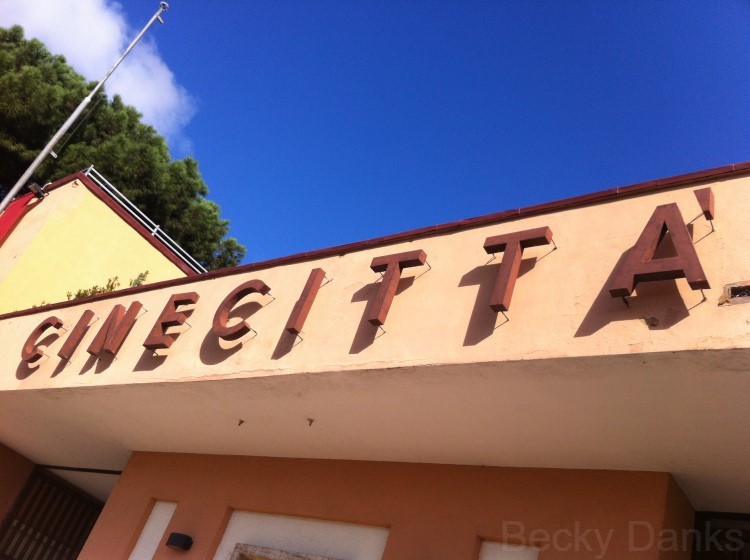
The Film Studios
Now, Hollywood this ain’t. Both the studios and the local area were a bit shabby around the edges. On the pavement outside my apartment block there was a walk of stars, a fabulous idea but with very few names filled in and the accompanying film information was obscured by graffiti. But the film tributes had an understated and gritty feel creating an important sense of authenticity.
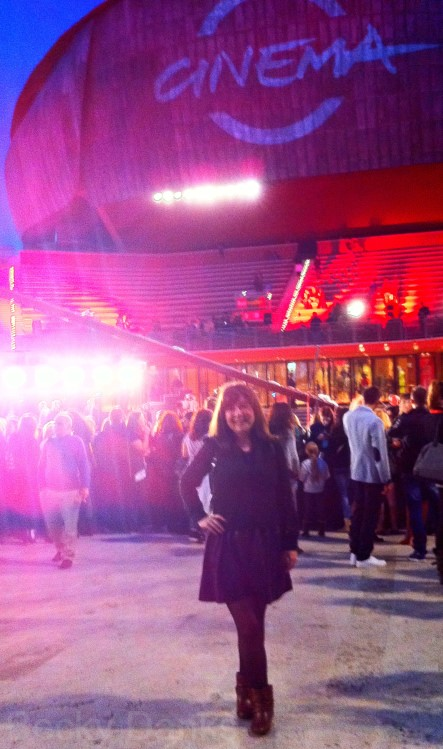
In other film-related news, I had the pleasure of meeting director Lenny Abrahamson at the screening of his quirky drama, Frank, during the Irish Film Festival. I also attended a live interview with British actor John Hurt at the International Film Festival of Rome. During the Q & A session afterwards, someone stood up and said ‘I don’t have a question but I’m a struggling film director, please take my script.’ And he did!

I accidentally gate-crashed a set from the James Bond movie Spectre that was being filmed outside the Museum of Roman Civilization in Rome’s modern EUR district where I used to work. It was the funeral scene. Unfortunately I was escorted off the premises before managing to take any photographs. I’m clearly not cut out to join the paparazzi. I later learnt that they had to re-do the big car-chase scenes due to all the pot holes in the Roman roads. Oops!
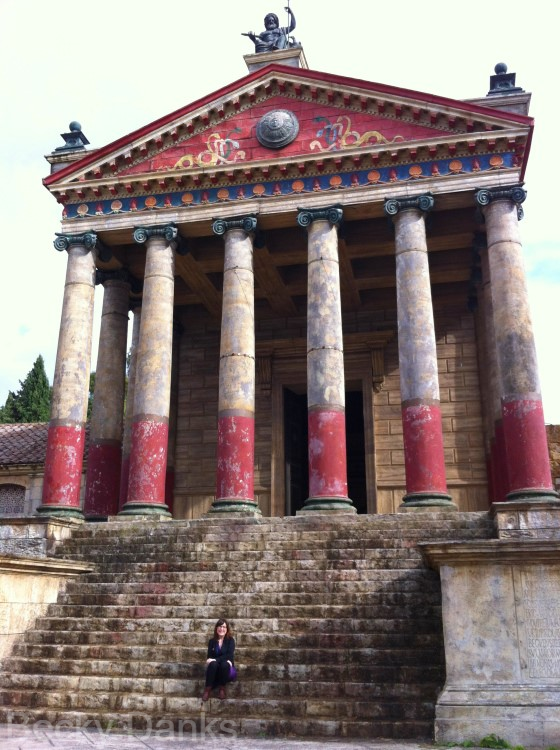
Set of the TV Series ROME at Cinecitta Studios
Sometimes living in Rome felt like being in a film. I met a wide variety of characters and found myself in quite a few random situations. There was a very real sense that anything could happen on a daily basis. Everything is dramatic there, even the weather. Rain was usually accompanied by an epic storm and in that historic city, thunder and lightning creates a highly atmospheric horror film effect. I do love a good storm and I miss those extremes of weather now that I’m in the milder climate of London.
NB) This post was originally published in 2014 on my old Italian lifestyle blog ‘Living La Vita Roma’ which I wrote while living in Rome.
Inspirational author Toni Morrison passed away recently at the age of 88, leaving behind a priceless legacy to literature. Giving a voice to black American people and celebrating black history was her mission, achieved with devastating effect through her award-winning writing.

Photo source: Feminist Teacher
A few days after quitting her day job as an editor to focus on writing full-time, she started her most critically acclaimed novel, Beloved. Following its publication in 1987, it won the Pulitzer Prize, American Book Award, and the Nobel Prize for literature. From humble beginnings in Ohio during the Great Depression, Morrison’s gift for writing culminated in a Presidential Medal of Freedom in 2012.

Photo source: National Archives
Beloved is set in Cincinnati in 1873, almost ten years after the abolition of slavery. Mother of four Sethe struggles to block out the past having escaped from Sweet Home, the deceptively named farm where she had been a slave. She lives with her daughter, Denver, at number 124, but the independent life she has built balances precariously on a swamp of intolerable memories.
People pass by number 124 in a hurry. A disturbing presence exists there, its childlike tantrums shaking the floorboards. Denver sees a white dress kneeling next to her mother at prayer, its arm wrapped protectively around her waist. Two tiny hand prints appear in a cake. The ghost of Beloved, a baby girl, haunts the house just as surely as Sethe’s mind is haunted by memories buried by the pretence of normality.
She may have physically escaped the farm but she is plagued by traumatic visions of what went on there. One of seven slaves and the only woman, she was heavily pregnant when she ran away, crawling on her hands and knees to reach shelter and determined to live if only to give life to her unborn child.

Beloved is a story of survival in a society seeped in bias. Denver represents the next generation, born free thanks to her mother’s escape but no less impacted by the residue of a system that painted outrageous and dehumanising treatment with a false air of respectability. She lives at a time when things that seem under control are in reality dangerously disordered. The law may have been amended but such change is slow and painful.
The novel explores the precarious nature of freedom, what it means to different people and the lengths to which a mother will go to protect her children from losing it. The past is not merely a ghost but a real threat and Denver and her mother live in its shadow.

Reading Beloved is a uniquely intense experience. Both deeply unsettling and unapologetically hopeful, the narrative moves seamlessly between the first and third person and gives the reader an insight into the characters’ thoughts and fears.
Morrison’s storytelling is so skilful and the narrative so well-crafted that like Beloved herself, the story is very much alive on the page. Every single word counts and every sentence deserves taking time to savour.

 The novel explores what drives people to extreme acts, always encouraging empathy in the reader. Morrison paints with unflinching directness a picture of lives saved and ruined, deftly giving people their own, real voice, not idealised but filled with the contradictions and struggles of survival. Tension builds as the family’s lives slowly unravel, culminating in the revelation of what had happened to Beloved. Guilt and retribution, desire and betrayal, hope and human kindness in adversity are conflicting themes in this powerful and unforgettable story.

‘Ní Saoirse go Saoirse na mBan. There is no Freedom until the Freedom of Women.’
In a month which has seen British abortion rights tentatively extended to Northern Ireland, a book arrived on my doorstep. An anthology, to be precise, of poems, essays, letters and emails celebrating the Republic of Ireland’s historic vote to repeal the Eighth Amendment.

On 25 May 2018, Together for Yes won the referendum with a significant majority. Announcing the result outside Dublin Castle, Ireland’s Taoiseich Leo Varadkar described the campaign as a ‘quiet revolution.’
Until then, abortion was effectively illegal regardless of rape, incest or severe danger to the mother’s health. Irish women and girls were forced to travel, mainly to the UK, for the procedure. This repeal means it can be carried out safely within Ireland and represents a positive step forward in the broader fight for a fairer future for women.

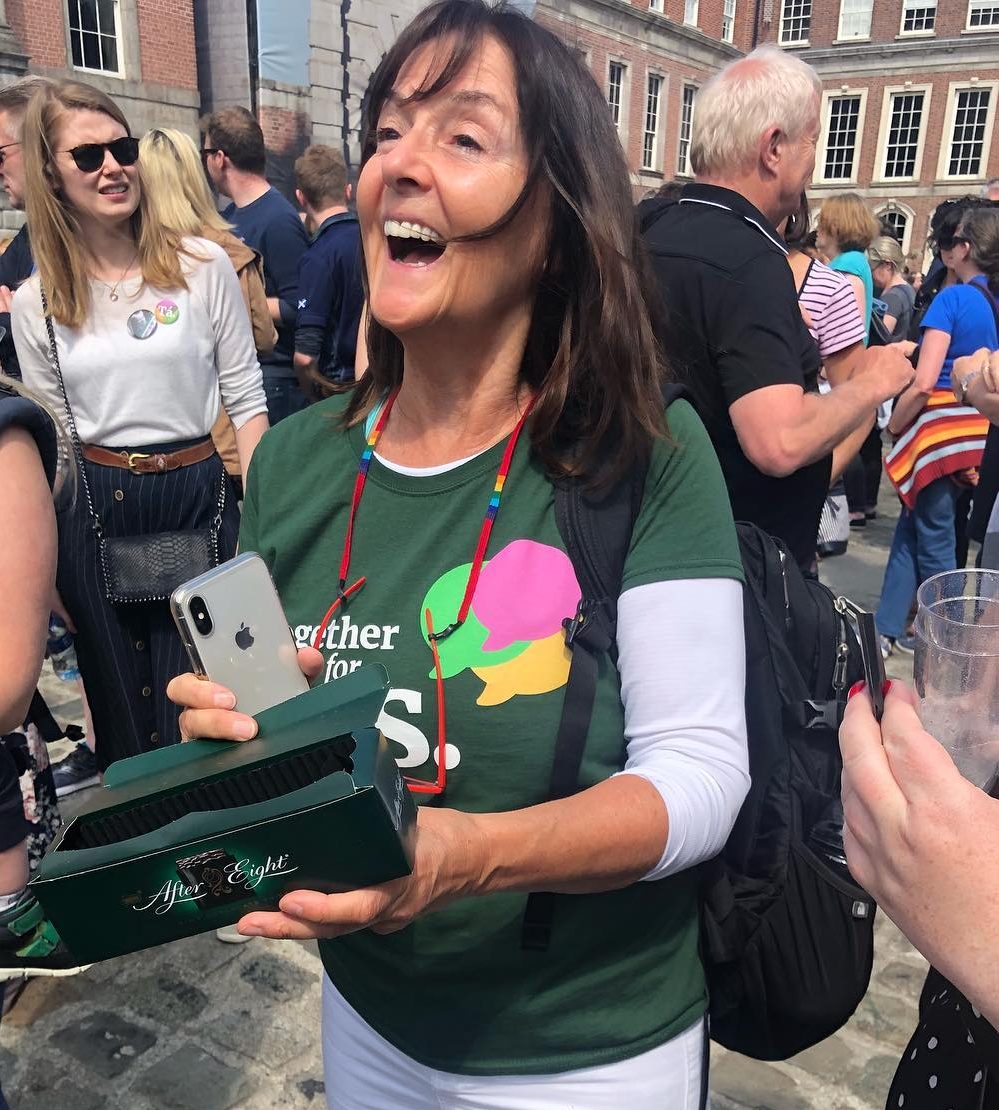
Supporters celebrated outside Dublin Castle with After Eight chocolates and Champagne. Photo: The Irish Examiner
The reader bears witness to some frank discussions. A 14-year-old girl unsure whether to call it rape when her 32-year-old boyfriend makes her feel like she can’t say no. Abandoned babies placed in carrier bags and left in fields. Illegal abortion pills carrying the threat of imprisonment. It’s a challenging read that doesn’t hold back but it’s joyful too and there are moments of humour throughout.

In Radical Doula by Sally Shakti-Willow, clinical details about the abortion procedure are interwoven with an aching sense of loss. Her words highlight the gravitas of a process that is in no way an easy option. Physical, mental and emotional pain are laid bare, both on the operating table and across the page, as the unborn ‘would not uproot – hanging on for life (in the earth of my body). Dark in there and warm.’
An urgent need is expressed for ‘continuous uninterrupted support’ without judgment. Sally explains: ‘This text is written with the intention of performing a ritual, as a long-distance doula for the birthing of conscious and supportive abortion practices in Ireland.’
A recurring theme in this anthology is the grip and reach of strict religious practices which have repressed people for generations. Keeping girls in the dark about sex and then vilifying them if they find themselves ‘in trouble’ is a very effective way of putting women in their place. Stigma and shame permeate the pages, chronicling years of powerlessness and restricted choices.


I have brilliant memories of spending every school summer holidays in Skerries, County Dublin, where I was christened

In a world that seems to be veering ever further to the right, Ireland continues to rise up for what matters. When marriage equality was voted in, I was in Italy and joined the Irish Club of Rome at Pride. We marched with a banner declaring in Italian, Irish and English that ‘Ireland said Sì, Tá, Yes!’

Tackling difficult subjects such as domestic violence, unequal pay and harassment, while ultimately sharing a message of hope, Rise Up & Repeal is a timely collection promoting the possibility that after years struggle, perhaps now women in Ireland and elsewhere will have a stronger voice.

Rise up & Repeal: A poetic archive of the 8th amendment. Edited by Sarah Brazil and Sarah Bernstein. Published by Sad Press. All proceeds go to the Abortion Support Network.
 Becky Danks