Last time I was in Birmingham I found myself inside a coffin factory.
The Grade II listed premises at 13 Fleet Street in the Jewellery Quarter opened in 1894 and operated for over a century. Posthumous customers included Hollywood superstar Judy Garland, former British Prime Minister Sir Winston Churchill, and the Queen Mother.
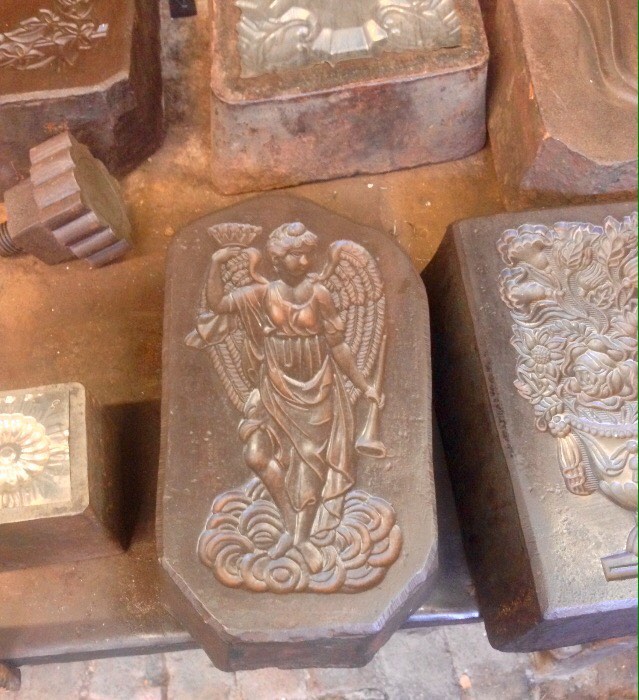
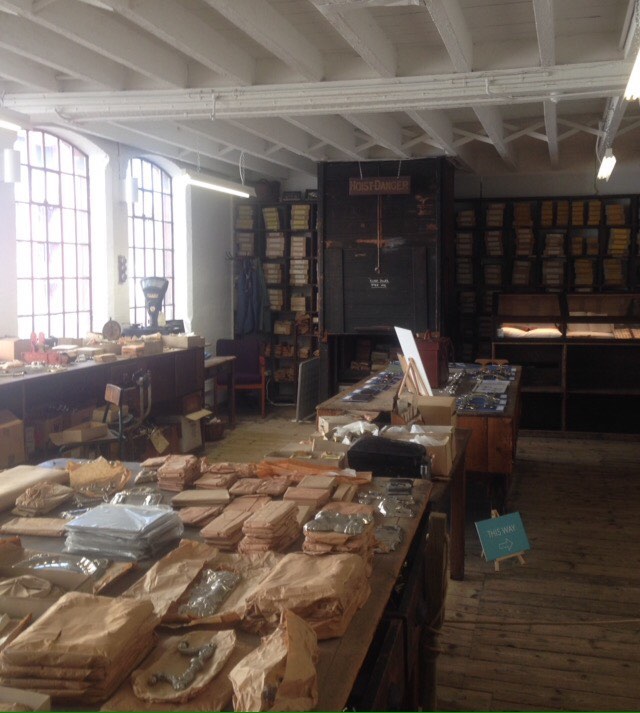
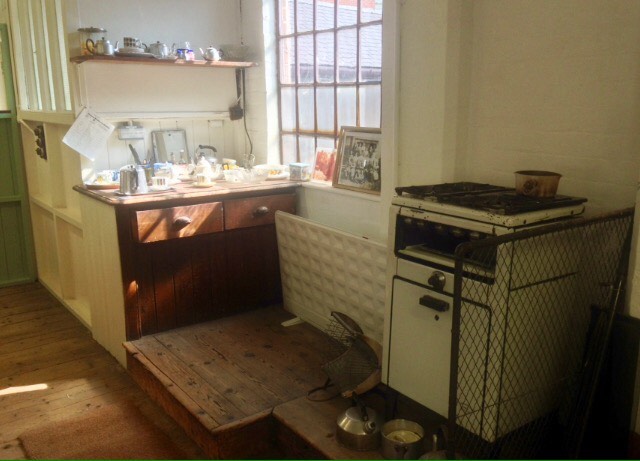
The factory was owned by the Newman Brothers and has been painstakingly preserved as part of the Coffin Works museum, complete with Victorian machinery and shelves brimming with everything from handles and crucifixes to a custom-made Aston Villa shroud. Joining a group tour led by brilliant volunteer Cornelius, I clocked in and went back in time to experience a day in the life of a factory worker.
Conditions were harsh. While operating heavy-duty machinery, it was too dangerous to look up from your work in case you lost a finger or split your head open. The worst job was managing the acid tank while struggling to avoid splashing your face or choking on the billowing fumes.
For every new male member of staff, three women would be hired to make shrouds, pillows and coffin linings. Despite their immense expertise, seamstresses were poorly paid and labelled ‘unskilled.’ But the more ingenious among them would pilfer the white satin, silk and lace shroud material to make their wedding dresses.
In the nineteenth century, Birmingham was known as the City of a Thousand Trades. Its rapidly growing population faced high mortality rates due to poor sanitation and living conditions, leading to a huge rise in demand for funeral specialists.
Funerals became increasingly lavish during the Victorian era and people celebrated death with almost as much enthusiasm as a wedding. An elaborate funeral was a reflection of the deceased’s popularity and undertakers followed trends to keep up with the dead fashionable.
Following the scale of the tragedy of the First World War, twentieth century funerals became far more muted in style. There’s a poignant tribute on the warehouse wall to Lewis Watkins, a Brass Polisher at the factory killed in the war aged 23.
After World War II, Birmingham’s green spaces were needed for building houses and so cremation became increasingly popular, leading to the factory’s decline.
While the poor working conditions at the Newman Brothers factory may be a thing of the past, it remains important to continue the fight for employment rights in the 21st century, especially during the current climate. Staff at a coffin factory in Scotland have recently been planning to strike over a pay dispute.
The award-winning Coffin Works has been putting the fun into funerals since 2014, showcasing the amazing talents of the Birmingham Conservation Trust.
If you happen to be in Brum, why not pay a visit to the factory followed by a tour of one of the Jewellery Quarter’s historical local cemeteries?
Happy Halloween!





 Becky Danks